Retro Vector Red, Blue, White Plaid: A Versatile Design Asset for Modern Creatives
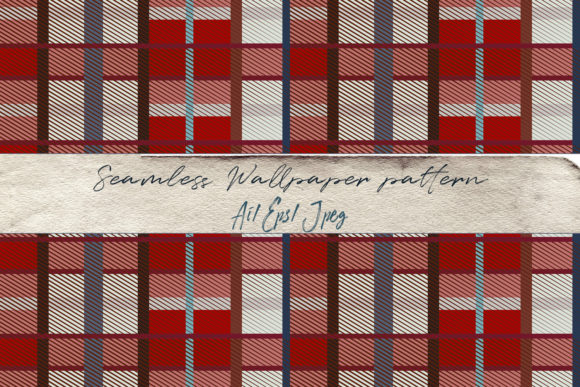
Retro Vector Red, Blue, White Plaid is a timeless design pattern that blends vintage aesthetics with modern digital capabilities. This plaid design features bold red, blue, white, and orange hues arranged in a classic, repeating grid. Unlike traditional printed plaid, this vector version offers infinite scalability without loss of quality, making it ideal for use across multiple platforms and resolutions. Whether you're designing branding materials, web graphics, or print assets, Retro Vector Red, Blue, White Plaid provides a versatile foundation that can be adapted to suit various creative workflows.
Understanding the Pattern and Its Digital Advantages
The Retro Vector Red, Blue, White Plaid pattern is more than just a visual element—it's a functional design tool. It's created using vector graphics, which means it can be resized infinitely while maintaining crisp edges and clarity. This is especially valuable when working on projects that require high-resolution outputs, such as logos, banners, or packaging designs. The pattern is available in multiple formats including AI, EPS10, and JPEG, ensuring compatibility with a wide range of software and tools.
One of the key benefits of using vector-based plaid patterns is their seamless integration into design workflows. Since they are scalable, they eliminate the need for manual adjustments when resizing elements. This saves time and ensures consistency across different media types. For professionals who work across both digital and print environments, having access to a single, adaptable pattern can significantly streamline production processes.
Where Does This Pattern Fit in Your Workflow?
Retro Vector Red, Blue, White Plaid can be used at any stage of a creative project, from initial concept development to final output. In the early stages, it can serve as a background or texture to add character and retro flair to mockups or wireframes. During the design phase, it can act as a base layer for branding elements, helping to reinforce a cohesive visual identity. When preparing for print or digital distribution, the pattern can be applied as a repeat background or overlay to enhance the aesthetic appeal of the final product.
For those working on marketing campaigns, this pattern can be incorporated into social media graphics, email templates, or website backgrounds. Its vibrant colors make it particularly effective for creating eye-catching visuals that stand out in a crowded digital landscape. Additionally, the pattern’s retro feel can evoke nostalgia, making it a strong choice for brand storytelling or content marketing efforts aimed at older demographics.
Practical Use Cases and Integration Tips
When integrating Retro Vector Red, Blue, White Plaid into your workflow, consider how it interacts with other design elements. For instance, pairing it with minimalist typography can create a striking contrast that highlights the pattern’s vibrancy. Similarly, using it as an accent in a predominantly neutral color scheme can add depth and interest without overwhelming the overall design.
- Branding: Use the pattern as a background for logo designs or business cards to add a unique touch.
- Web Design: Apply it as a subtle background in landing pages or hero sections to enhance visual engagement.
- Print Materials: Incorporate it into brochures, posters, or packaging to create a cohesive and memorable brand experience.
- Graphic Design: Utilize it as a texture in illustrations or as a repeating element in UI components like buttons or dividers.
It's also important to consider the context in which the pattern will be used. While its bold colors are visually appealing, they may not always be suitable for all audiences or industries. For example, in healthcare or financial sectors, a more subdued palette might be preferable. However, for creative fields like fashion, entertainment, or lifestyle branding, the retro plaid pattern can be a powerful asset.
Workflow Optimization with Vector Assets
Working efficiently with vector assets like Retro Vector Red, Blue, White Plaid requires careful organization and planning. Start by saving the files in a dedicated folder structure that reflects the project’s purpose. This makes it easier to locate and reuse the pattern across different tasks or projects. Additionally, keeping track of file versions helps prevent confusion, especially when collaborating with others or revisiting old projects.
When using the pattern in design software like Adobe Illustrator or InDesign, take advantage of the built-in tools for adjusting scale, color, and placement. These tools allow for precise control over how the pattern interacts with other elements in your design. For raster formats like JPEG, ensure that the resolution is appropriate for the intended use—higher resolution is better for print, while lower resolution is sufficient for web-based applications.
Another best practice is to test the pattern in different contexts before finalizing a design. Previewing how it looks on various screens, in different lighting conditions, or against different background colors can help identify potential issues and refine the overall look and feel.
Long-Term Use and Adaptability
Retro Vector Red, Blue, White Plaid is not just a one-time design asset—it’s a versatile resource that can evolve with your projects over time. As your creative needs change, so too can the way you incorporate the pattern into your work. Whether you’re updating a brand identity, launching a new product line, or redesigning a website, the pattern can be adapted to fit the new direction.
Its adaptability also makes it well-suited for long-term use in business workflows. For example, small business owners can use the pattern consistently across all marketing materials to build brand recognition. Educators and bloggers can incorporate it into presentations or infographics to make content more engaging. Freelancers and designers can keep it in their toolkit for quick reference whenever a retro-inspired design is needed.
Ultimately, the key to successfully integrating Retro Vector Red, Blue, White Plaid into your workflow lies in understanding how it complements your existing tools and processes. By treating it as a flexible, reusable asset rather than a fixed design element, you can unlock its full potential and enhance your creative output across multiple domains.