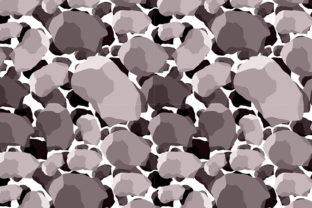
Flat Stone Crystal Repeat Pattern: A Versatile Design Element for Modern Applications
The Flat Stone Crystal Repeat Pattern is a design motif that has gained significant traction across various industries due to its aesthetic appeal and functional versatility. This pattern, characterized by its geometric arrangement of stone-like shapes interwoven with crystalline textures, offers a unique blend of natural and modern elements. Whether used in interior design, digital media, or product branding, the Flat Stone Crystal Repeat Pattern provides a visually engaging solution that can be adapted to meet diverse needs.
Understanding the Flat Stone Crystal Repeat Pattern
The Flat Stone Crystal Repeat Pattern is a type of tiling or repeating design that mimics the appearance of natural stone formations while incorporating crystal-like details. The pattern typically features a combination of flat, angular stones arranged in a structured yet organic layout, complemented by subtle crystal motifs that add depth and visual interest. This design is often created using vector-based software, allowing for precise control over scale, color, and repetition.
One of the defining characteristics of this pattern is its scalability. Unlike traditional patterns that may lose clarity when scaled up or down, the Flat Stone Crystal Repeat Pattern maintains its integrity across different sizes. This makes it suitable for use in both small-scale applications such as logos and large-scale projects like wall coverings or floor tiles.
Key Features of the Pattern
- Geometric Precision: The pattern is built on a grid system that ensures consistent alignment and spacing, making it ideal for digital and print media.
- Natural Aesthetic: The stone-like texture evokes a sense of earthiness and authenticity, while the crystal elements introduce a touch of modernity and sophistication.
- Repetition Without Repetition: Despite being a repeat pattern, the design avoids monotony through variations in shape, size, and placement of elements.
- Color Flexibility: The pattern can be customized in terms of color schemes, allowing for seamless integration into different design contexts.
Applications of the Flat Stone Crystal Repeat Pattern
The versatility of the Flat Stone Crystal Repeat Pattern makes it applicable across multiple domains. From architectural design to graphic arts, this pattern serves as a powerful tool for creating visually appealing and functionally effective solutions.
In interior design, the pattern is frequently used in flooring, wall panels, and decorative accents. Its ability to blend natural and modern aesthetics makes it particularly popular in contemporary spaces such as cafes, retail stores, and residential interiors. For instance, a coffee shop might incorporate this pattern into its flooring to create a welcoming yet stylish environment.
Within the realm of digital design, the pattern finds use in website backgrounds, app interfaces, and mobile graphics. Its scalable nature allows it to be applied without compromising quality, ensuring a consistent look across different screen sizes. Developers and designers often utilize this pattern to enhance user experience by adding visual depth and texture to otherwise flat surfaces.
For branding and marketing, the Flat Stone Crystal Repeat Pattern offers a distinctive visual identity that can help differentiate a brand from competitors. Companies in the luxury or wellness sectors, for example, may adopt this pattern in their packaging or promotional materials to convey a sense of elegance and natural beauty.
Technical Considerations for Implementation
When working with the Flat Stone Crystal Repeat Pattern, several technical considerations should be taken into account to ensure optimal results. First, it is important to understand the file formats available for this pattern. Commonly used formats include EPS (Encapsulated PostScript) and JPEG (Joint Photographic Experts Group), each offering distinct advantages depending on the intended use.
EPS Files: These are vector-based files that maintain high quality at any scale. They are ideal for use in professional design software such as Adobe Illustrator and are preferred for print applications where resolution and clarity are critical.
JPEG Files: These are raster-based files that are well-suited for web use. While they offer good image quality, they may not maintain the same level of detail when scaled up, making them less suitable for large-format prints.
Additionally, a Help File is often provided alongside the pattern to guide users through the implementation process. This document typically includes instructions on how to import the pattern into design software, adjust settings, and troubleshoot common issues. It also outlines licensing terms and usage restrictions, ensuring compliance with legal requirements.
License and Legal Considerations
Before using the Flat Stone Crystal Repeat Pattern, it is essential to review the associated Licence. Most patterns are distributed under specific licensing agreements that dictate how they can be used, modified, and shared. These licenses may vary in terms of personal, commercial, or non-commercial use, and some may require attribution or prohibit resale.
For example, a Creative Commons license might allow for free use as long as the original creator is credited, while a proprietary license could restrict usage to a single project or require payment for commercial applications. Understanding these terms is crucial to avoid legal complications and to ensure ethical use of the pattern.
Some providers also offer premium versions of the pattern that include additional features such as customizable color palettes, advanced export options, and exclusive support. These versions are typically more expensive but provide greater flexibility and control over the final output.
Comparative Analysis with Similar Patterns
While the Flat Stone Crystal Repeat Pattern shares similarities with other repeating designs, it stands out due to its unique combination of natural and crystalline elements. Compared to traditional stone patterns, which often emphasize texture and realism, the Flat Stone Crystal Repeat Pattern introduces a more abstract and stylized interpretation of natural forms.
Similarly, compared to purely geometric patterns, this design adds an organic dimension that enhances visual interest without sacrificing structure. This balance between order and randomness makes it particularly appealing for applications that require both functionality and artistic expression.
Moreover, the pattern's adaptability allows it to be integrated with other design elements, such as metallic accents or watercolor washes, further expanding its creative potential. This flexibility is one of the reasons why it has become a favored choice among designers and creators across various fields.
Conclusion
The Flat Stone Crystal Repeat Pattern represents a compelling intersection of design, technology, and creativity. Its ability to combine natural aesthetics with modern precision makes it a valuable asset in a wide range of applications. Whether you are a designer, developer, or business owner, understanding the characteristics, advantages, and considerations of this pattern can help you make informed decisions and achieve impactful results.