Block Stripes Pattern Green: A Simple Digital Pattern with Versatile Applications
The Block Stripes Pattern Green is more than just a visual design—it's a versatile and practical choice for a wide range of digital projects. As a simple yet effective pattern, it offers a clean aesthetic that can be adapted to suit different industries, styles, and purposes. Whether you're designing a website, creating a printable layout, or developing a mobile app, understanding the qualities and applications of the Block Stripes Pattern Green can help you make informed decisions.
What Makes the Block Stripes Pattern Green Unique?
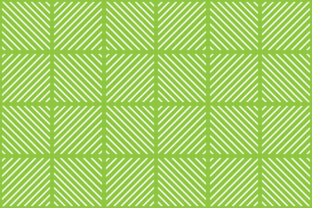
The Block Stripes Pattern Green is characterized by its bold, evenly spaced vertical or horizontal stripes in a single color—typically green. Unlike more complex patterns, this design relies on simplicity and repetition to create visual interest. The use of green as the primary color adds a natural, calming effect that can be particularly appealing in modern design contexts.
One of the key strengths of the Block Stripes Pattern Green is its adaptability. It can be scaled up or down without losing clarity, making it suitable for both small details and large backgrounds. This scalability is especially useful in responsive web design, where elements need to adjust seamlessly across different screen sizes.
Additionally, the Block Stripes Pattern Green is easy to implement in digital formats. Since it's based on a single repeating unit, it doesn't require complex coding or advanced graphic design skills. This accessibility makes it an ideal choice for designers at all levels of experience.
Applications Across Different Industries
The Block Stripes Pattern Green has found a place in various industries due to its functional and aesthetic qualities. Let’s explore some of the most common applications:
- Web Design: The pattern can be used as a background element to add texture without overwhelming the user. It works well with minimalist layouts and can help create a sense of depth and dimension.
- Printable Graphics: For print materials such as brochures, posters, or packaging, the Block Stripes Pattern Green provides a professional and eye-catching look while maintaining readability.
- Mobile App UI: In app design, the pattern can serve as a subtle background or accent, helping to guide the user’s attention without being distracting.
- Interior Design: When applied to digital mockups or virtual spaces, the Block Stripes Pattern Green can mimic real-world textures, offering a creative way to visualize room designs or furniture arrangements.
Each of these applications highlights the versatility of the Block Stripes Pattern Green. Its clean lines and consistent structure make it a reliable choice for designers looking to balance aesthetics with functionality.
Choosing the Right Color Variation
While the Block Stripes Pattern Green is often associated with a specific shade of green, it can also come in various color variations. These include:
- Forest Green: A deep, rich green that exudes nature and stability.
- Lime Green: A bright, vibrant option that adds energy and freshness.
- Sage Green: A softer, more muted tone that brings a sense of calm and serenity.
- Teal Green: A cool, modern color that blends well with contemporary design schemes.
Choosing the right color variation depends on the intended use and the overall design theme. For example, forest green might be ideal for eco-friendly branding, while lime green could work well in youthful, dynamic projects.
It's also important to consider contrast when selecting a color. The Block Stripes Pattern Green should complement the surrounding elements without causing visual strain. Testing different color combinations in various contexts can help ensure optimal results.
Designing with the Block Stripes Pattern Green
When incorporating the Block Stripes Pattern Green into your design workflow, there are several best practices to keep in mind:
- Start with a Clear Purpose: Determine what role the pattern will play in your design. Is it meant to add texture, guide the user’s eye, or enhance brand identity?
- Test Across Devices: Ensure the pattern looks good on all screen sizes and resolutions. Avoid using overly intricate designs that may not render well on smaller screens.
- Balance with Other Elements: Use the Block Stripes Pattern Green in moderation. Too much can overwhelm the design, while too little may fail to make an impact.
- Consider Accessibility: Make sure the pattern doesn’t interfere with readability. Text should remain legible against the background, and color contrast should meet accessibility standards.
- Experiment with Layouts: Try placing the pattern in different areas of your design to see how it interacts with other elements. Sometimes a subtle placement can have a greater impact than a bold one.
By following these guidelines, you can effectively integrate the Block Stripes Pattern Green into your projects while maintaining a cohesive and visually appealing design.
Practical Benefits and Considerations
The Block Stripes Pattern Green offers several practical benefits that make it a valuable asset in digital design:
- Easy to Implement: With its straightforward structure, the pattern can be quickly applied using CSS, SVG, or design software like Adobe Illustrator or Figma.
- Cost-Effective: Since it’s a simple pattern, it doesn’t require extensive resources or specialized tools, making it an affordable option for many projects.
- Time-Saving: The repetitive nature of the pattern means it can be reused across multiple elements, reducing the time needed for design work.
- Scalable: As mentioned earlier, the pattern can be resized without losing quality, which is essential for responsive design.
- Consistent Branding: Using the Block Stripes Pattern Green consistently across different platforms helps reinforce brand identity and recognition.
Despite its advantages, there are also considerations to keep in mind. For instance, overuse of the pattern can lead to visual fatigue, so it’s important to use it strategically. Additionally, ensuring that the pattern complements the overall design rather than competing with it is crucial for achieving a balanced look.
Real-World Examples and Scenarios
To better understand how the Block Stripes Pattern Green can be applied, let’s look at a few real-world scenarios:
Scenario 1: Website Background
A fitness blog uses the Block Stripes Pattern Green as a subtle background for its homepage. The pattern adds a fresh, natural feel that aligns with the brand’s eco-conscious values. The green tones also help create a calming atmosphere that encourages readers to engage with the content.
Scenario 2: Mobile App Interface
A productivity app incorporates the Block Stripes Pattern Green as an accent in its settings menu. The pattern helps differentiate the section from the main interface without being distracting, allowing users to navigate the app more intuitively.
Scenario 3: Print Materials
A local garden center uses the Block Stripes Pattern Green in its promotional flyers. The pattern adds a modern touch while still feeling grounded and approachable, making the materials stand out in a competitive market.
These examples illustrate how the Block Stripes Pattern Green can be tailored to fit different needs and environments, proving its value as a flexible design tool.