Abstract Leaf Vector Pattern Design
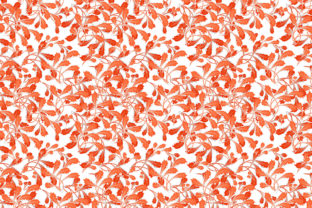
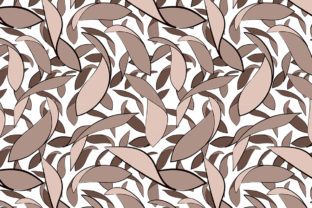
Abstract Leaf Vector Pattern Design is a versatile and scalable graphic resource that offers creative flexibility for designers, artists, and creators. This design is crafted using vector tools, ensuring it remains crisp and clear at any size. The pattern features a hand-drawn leaf motif, rendered in a clean, abstract style that can be adapted to fit various design needs. Its use of the bucket mesh tool allows for easy color customization, making it a valuable asset for those looking to streamline their workflow or enhance visual projects.
Understanding the Design
The Abstract Leaf Vector Pattern is more than just an aesthetic element—it's a functional design tool. It's built with scalability in mind, which means it can be used across different mediums, from print materials to digital interfaces. The EPS and JPEG files included ensure compatibility with a wide range of software, while the help file provides guidance on how to best utilize the design within your projects.
This design is particularly useful for those who need a quick and effective way to incorporate natural elements into their work. Whether you're creating branding materials, website backgrounds, or packaging designs, the abstract leaf pattern can add a touch of organic beauty without overwhelming the overall composition.
Where It Fits in the Creative Process
Abstract Leaf Vector Pattern Design can be integrated at multiple stages of a project. Before starting a design, it can serve as a source of inspiration or a base layer for other elements. During the development phase, it can act as a background or texture, helping to unify different components of the design. After the main elements are in place, it can be used to add subtle depth or visual interest.
For example, when designing a product label, the abstract leaf pattern can be used as a repeating background, providing a natural yet modern feel. In web design, it can be incorporated into a hero section or as part of a layout grid, offering a consistent and cohesive look throughout the site.
Compatibility and Usability
One of the key advantages of this design is its compatibility with most vector programs. Whether you're using Adobe Illustrator, CorelDRAW, or Inkscape, the EPS file format ensures that the design remains editable and scalable. The JPEG file provides a ready-to-use option for those who need a raster image for immediate use.
The help file included with the design is an essential resource for understanding how to manipulate the pattern effectively. It outlines basic steps such as scaling, rotating, and modifying the design to suit specific requirements. These instructions are straightforward and designed to save time, especially for users who may not have extensive experience with vector editing.
Practical Implementation Tips
To get the most out of the Abstract Leaf Vector Pattern Design, consider the following tips:
- Use it as a base layer in your design projects to create a cohesive visual foundation.
- Customize colors using the bucket mesh tool to match your brand’s color palette or project theme.
- Experiment with placement to find the right balance between subtlety and impact.
- Save variations of the design in different formats to ensure flexibility across platforms.
- Integrate it with other design elements to create a layered and dynamic composition.
By following these guidelines, you can ensure that the pattern enhances rather than detracts from your overall design. It’s important to maintain consistency in color and scale to avoid visual clutter and ensure a professional finish.
Workflow Integration
Integrating the Abstract Leaf Vector Pattern Design into your workflow should be seamless. Start by importing the EPS file into your preferred design software. From there, you can scale the pattern to fit your project dimensions, rotate it to align with your layout, and modify it as needed.
For digital projects, the JPEG file can be used directly in graphic design software or embedded into HTML pages. This makes it ideal for web developers and content creators who need quick access to high-quality assets. The help file serves as a reference guide, ensuring that even beginners can navigate the design process with ease.
When working on print projects, the EPS format is particularly advantageous because it maintains quality at any size. This makes it suitable for everything from business cards to large-scale banners. The ability to edit the vector elements also allows for greater control over the final output, ensuring that the design meets your exact specifications.
Real-World Use Cases
The versatility of the Abstract Leaf Vector Pattern Design makes it applicable across a wide range of industries and projects. Here are a few examples:
- Branding: Use the pattern as a background or accent in logos, packaging, and promotional materials.
- Web Design: Incorporate it into website headers, footers, or background sections for a natural aesthetic.
- Product Design: Apply the pattern to product mockups, user interfaces, or packaging concepts.
- Education: Use it as a visual aid in teaching materials, presentations, or interactive learning modules.
- Marketing: Integrate it into social media graphics, email templates, or advertising campaigns.
Each of these applications benefits from the pattern’s scalability, adaptability, and clean design. By choosing the right format and integrating it thoughtfully, you can enhance the visual appeal of your work without compromising on quality or efficiency.
Long-Term Use and Quality Control
To ensure long-term use and maintain the quality of the Abstract Leaf Vector Pattern Design, it’s important to organize your files properly. Keep the EPS and JPEG versions separate, and store them in a dedicated folder for easy access. Regularly check the files for any signs of degradation, especially if they are being used across multiple platforms or devices.
Additionally, maintaining a consistent color scheme and scale will help preserve the integrity of the design over time. If modifications are needed, always work from the original vector file to ensure that the design remains editable and adaptable. This approach not only saves time but also helps prevent errors that can arise from working with low-quality or outdated assets.
Finally, don’t forget to review the licensing terms provided with the design. Understanding how the pattern can be used, shared, or modified will help you avoid potential issues and ensure that you’re using it in compliance with the intended purpose.